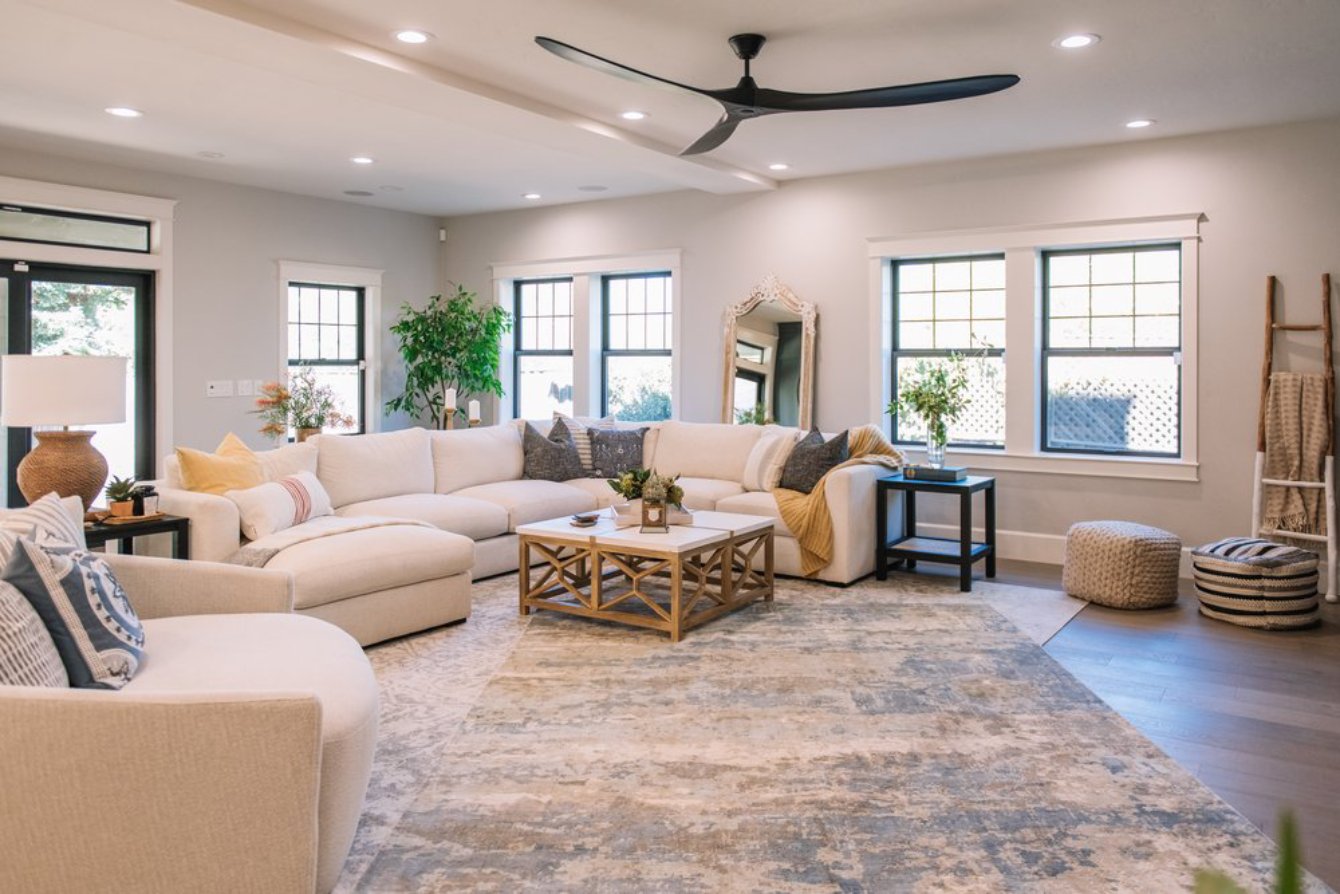
Planning a full home renovation in Montreal? You’re not just updating your décor—you’re undertaking a complex structural project that requires careful planning, engineering expertise, and thorough understanding of local building codes.
For homes built before 1980, aging foundations, outdated load-bearing systems, and hidden deterioration can transform an exciting renovation into a costly ordeal if proper engineering steps aren’t followed from the start.
In this comprehensive guide, we’ll walk you through the essential engineering protocols and practical considerations for successfully renovating a Montreal home. Whether you’re tackling a Victorian in Outremont or a bungalow in Saint-Laurent, understanding these fundamentals will help you avoid common pitfalls and create a renovation that lasts for decades.
Table of Contents
- What is considered a full renovation? (the engineering definition)
- What does it cost to renovate a 1,500 sq.ft. house in montreal? ($250k–$750k breakdown)
- The 7 essential engineering steps before hiring a contractor
- Why sealed drawings protect your investment
- Realistic timelines: why full renovations take 6–12 months in montreal
- Coordinating architects, inspectors, and borough requirements
- The most expensive part of a home renovation (it’s not what you think)
- Are home renovations tax deductible in quebec? (rénovert & federal credits)
- Understanding building code requirements for major renovations
- Is $50,000 enough to renovate a house? (the honest assessment)
- Renovation permits: what you need for each montreal borough
- How to get a renovation loan in quebec
- Frequently asked questions
- Getting started with your montreal renovation
What Is Considered a Full Renovation? (The Engineering Definition)
When we talk about a “full home renovation” in the context of Montreal’s housing stock, we’re referring to something far more comprehensive than cosmetic updates or surface-level improvements.
A true full renovation represents a complete structural and systems overhaul that addresses the fundamental components of your home:
Structural Components:
Foundation assessment and repair, floor system reinforcement, load-bearing wall modifications, roof reconstruction, and addressing any settlement or structural deficiencies that have developed over decades.
Building Envelope:
Complete replacement or major upgrades to siding, all windows and doors, roofing systems, comprehensive waterproofing, and insulation upgrades to meet modern energy efficiency standards (typically R-50 or higher for attics).
Major Systems:
Full electrical system rewiring to accommodate modern loads, complete plumbing system replacement, new HVAC installation, and often integration of smart home technologies that weren’t part of the original construction.
Interior Transformation:
Demolition down to structural elements (studs, joists, and subfloor), new drywall throughout, complete flooring replacement, custom millwork, and all new fixtures and finishes.
Code Compliance:
All work properly permitted, engineered where required, and inspected according to Quebec’s Code de construction du Québec.
The Key Distinction:
A renovation involves upgrading the existing structure with proper engineering oversight and typically requires significant structural work. A remodel focuses primarily on cosmetic changes—paint, cabinets, fixtures, and finishes—without altering the home’s structural systems.
If your project involves changing how loads are carried through the building, removing walls, or upgrading major systems, you’re undertaking a full renovation that requires engineering expertise and thorough planning.
What Does It Cost to Renovate a 1,500 sq.ft. House in Montreal? ($250K–$750K Breakdown)
Understanding renovation costs helps you establish realistic budgets and identify quotes that seem too good to be true. Based on recent Montreal market data, here’s what you can expect:
| Renovation Scope | Cost Range | What’s Typically Included |
|---|---|---|
| Essential Full Renovation | $250,000–$350,000 | Foundation repairs, new roof, windows replacement, HVAC system, plumbing and electrical updates, kitchen renovation, one full bathroom, standard finishes throughout |
| Mid-Range Comprehensive Renovation | $350,000–$550,000 | Complete structural upgrades, two full bathroom renovations, open-concept reconfiguration, custom millwork, insulation to R-50 standards, smart home integration, quality finishes |
| Premium Heritage Restoration | $550,000–$750,000+ | Historical preservation work, secondary suite addition, high-efficiency systems (such as geothermal), luxury finishes throughout, outdoor living spaces, comprehensive automation |
Major Cost Components in Montreal Renovations:
- Foundation work and underpinning: $30,000–$80,000 depending on extent of issues
- Roof, siding, and window replacement: $60,000–$120,000 for complete envelope upgrade
- Structural engineering and permit fees: $10,000–$20,000 for professional services
- Electrical and plumbing system replacement: $40,000–$70,000 for code-compliant installation
- HVAC system installation: $25,000–$50,000 depending on system type
- Interior finishes and millwork: $80,000–$180,000 based on material choices
- Contingency reserve (essential): 10–15% of total budget for unexpected discoveries
Budget Planning Guideline:
For comprehensive renovations in Montreal, plan for $180–$250 per square foot. Quotes significantly below this range often indicate omitted work, substandard materials, or shortcuts that will create problems down the road.
Remember: older Montreal homes frequently reveal hidden issues once walls are opened—outdated wiring, plumbing concerns, or structural deterioration that wasn’t visible during initial assessment.
The 7 Essential Engineering Steps Before Hiring a Contractor
Following this sequence—in the correct order—significantly reduces the risk of cost overruns, delays, and structural problems:
Step 1: Engage a Structural Engineer First
Before selecting a contractor or finalizing design plans, hire a licensed Professional Engineer (P.Eng.) registered with the Ordre des ingénieurs du Québec (OIQ). They’ll conduct a comprehensive structural assessment examining load paths, foundation integrity, and identifying any hidden deficiencies.
The resulting Structural Assessment Report becomes your roadmap for everything that follows, clearly documenting what work is necessary versus what’s optional.
Step 2: Obtain Sealed Engineering Drawings
Your engineer produces professionally stamped architectural and structural drawings that include detailed load calculations, specific material specifications, and connection details showing exactly how structural elements will be supported.
These sealed drawings are legally required for permit approval in all Montreal boroughs for any project involving structural modifications.
Step 3: Apply for All Required Permits
Submit your sealed drawings to your borough’s urbanisme department along with all supporting documentation. This typically includes zoning compliance verification, heritage review (if your property is in a protected area), and environmental considerations.
Permit processing typically takes 4–12 weeks depending on your borough and the complexity of your project.
Step 4: Secure Financing with Engineering Documentation
Financial institutions require sealed engineering drawings to approve renovation loans exceeding $100,000. Without this documentation, even applicants with excellent credit scores face loan denials because banks cannot verify the project’s viability.
Step 5: Select an RBQ-Licensed Contractor
Verify any contractor’s license through the Régie du bâtiment du Québec website (www.rbq.gouv.qc.ca). Your contract should explicitly reference the sealed drawings and include all permit numbers. Never hire based solely on portfolio photos or personal recommendations.
Step 6: Schedule and Complete All Mandatory Inspections
Throughout the project, borough inspections are required at specific milestones—typically rough-in (electrical and plumbing visible), framing completion, insulation installation, and final walkthrough. Missing inspections can result in illegal occupancy status and potential insurance coverage issues.
Step 7: Maintain Complete Documentation
Keep all permits, inspection reports, engineering stamps, and as-built drawings in a permanent file. This documentation can increase your home’s appraisal value by 15–25% and is often required when future buyers seek financing.
Critical Point: Skipping the engineering assessment or attempting to proceed without sealed drawings puts your entire investment at risk and violates building code requirements.
Why Sealed Drawings Protect Your Investment
Sealed engineering drawings represent far more than bureaucratic paperwork—they’re your protection against structural failure, legal problems, and financial loss.
How Sealed Drawings Protect You:
Structural Safety: Engineers perform detailed calculations to ensure that every beam, column, and connection can safely support the intended loads. This prevents catastrophic failures that could occur from guesswork or rule-of-thumb approaches.
Permit Approval: Montreal boroughs reject the majority of renovation permit applications that lack proper engineering documentation. Without approved permits, you cannot legally proceed with structural work.
Financing Access: Banks require sealed drawings to verify that your renovation project is viable and won’t create a property that’s worth less than the loan amount.
Insurance Protection: If structural problems occur after renovation, insurance companies will request documentation showing the work was properly engineered. Without sealed drawings, claims may be denied entirely.
Resale Value: Future buyers and their lenders will require evidence that structural modifications were professionally engineered and properly permitted.
What’s Included in Professional Sealed Drawings:
Complete structural calculations for all beams, columns, and support members; detailed electrical schematics showing service panel sizing and circuit layouts; plumbing routing with proper drainage slopes and vent requirements; HVAC duct sizing based on heat load calculations; specific material specifications (for example, engineered lumber grades and fastener types); and a comprehensive inspection checklist coordinated with borough requirements.
Warning Sign: If a contractor suggests proceeding with structural work before engineering drawings are complete, or claims that drawings can be obtained “later,” this indicates they don’t understand—or don’t respect—the legal requirements for safe construction.
Realistic Timelines: Why Full Renovations Take 6–12 Months in Montreal
Montreal’s comprehensive building code requirements and permit processes create necessarily extended timelines. Understanding these phases helps you plan appropriately:
| Project Phase | Typical Duration | Key Activities |
|---|---|---|
| Engineering and Design | 4–8 weeks | Structural assessment, creation of sealed drawings, initial permit application preparation |
| Permit Approval Process | 4–12 weeks | Borough review, potential heritage consultation, zoning compliance verification |
| Demolition and Abatement | 1–3 weeks | Tear-out to structural elements, hazardous material removal (asbestos, lead paint) if present |
| Structural Work | 4–8 weeks | Foundation repairs, underpinning if needed, beam installation, framing modifications |
| Building Envelope | 6–10 weeks | Roof replacement, siding installation, window and door replacement, waterproofing, insulation upgrade |
| Systems Installation | 6–8 weeks | Electrical rewiring, plumbing replacement, HVAC installation, ventilation systems |
| Interior Finishing | 8–12 weeks | Drywall installation, flooring, custom millwork, kitchen and bath cabinets, painting, fixture installation |
| Final Inspections | 2–4 weeks | Borough inspections, punch list completion, occupancy certificate issuance |
Total Timeline: 6–12 months for most full renovations
Planning Buffer: Add 10–15% to your timeline estimate to account for potential permit delays, material availability issues, or unexpected conditions discovered during demolition.
Reality Check: Contractors who promise to complete a full home renovation in three months are either cutting corners, not including proper engineering and permitting, or simply not being honest about realistic timelines.
Coordinating Architects, Inspectors, and Borough Requirements
Successful renovations require seamless coordination among multiple professionals and regulatory bodies. Understanding how these relationships work helps you manage the process effectively:
Key Players in Your Renovation:
Structural Engineer (P.Eng.): Designs all structural modifications, performs load calculations, and provides sealed drawings that form the legal basis for your permit.
Architect (where needed): Develops overall design aesthetic, creates detailed floor plans, ensures zoning compliance, and coordinates with the engineer on structural requirements.
Borough Urbanisme Department: Reviews all submitted plans, verifies code compliance, issues permits, and schedules mandatory inspections.
RBQ Inspector: Conducts required on-site inspections at critical construction phases to verify work matches approved plans.
General Contractor: Coordinates all trades, manages day-to-day construction, schedules inspections, and ensures work proceeds according to sealed drawings.
The Coordination Process:
Quality renovation management involves direct submission of permit packages, proactive scheduling of inspections before they’re needed, and rapid response to any borough questions or requests for additional information (typically within 24–48 hours).
Result: When properly coordinated, you avoid common problems like missed inspection windows, conflicting design requirements, or miscommunication about who is responsible for specific documentation.
If you’re managing the renovation yourself, establish clear communication channels with all parties and maintain a master schedule showing all critical milestones and inspection requirements.
The Most Expensive Part of a Home Renovation (It’s Not What You Think)
Most homeowners assume that kitchens and bathrooms drive renovation costs. While these are certainly significant expenses, they’re not typically the largest budget items.
Actual Cost Distribution in a $500,000 Full Renovation:
Foundation and Structural Work: 18–22% ($90,000–$110,000) This includes foundation repairs, underpinning if necessary, new structural beams, column installation, and load-bearing wall modifications.
Building Envelope (Roof, Siding, Windows): 15–18% ($75,000–$90,000) Complete exterior waterproofing, energy-efficient windows, new roofing system, and siding replacement to meet modern performance standards.
HVAC and Plumbing Systems: 12–14% ($60,000–$70,000) Full system replacement including ductwork, high-efficiency heating and cooling, and complete plumbing rough-in and fixtures.
Electrical System: 8–10% ($40,000–$50,000) Panel upgrade to 200 amps, complete rewiring to current code, modern lighting systems, and smart home integration.
Interior Finishes: 25–30% ($125,000–$150,000) This is where kitchens, bathrooms, flooring, millwork, and decorative elements fit—significant but not overwhelming the budget.
Engineering, Permits, and Contingency: 10–15% ($50,000–$75,000) Professional fees, permit costs, and essential reserves for unexpected conditions.
Why Structural and Envelope Work Costs More:
These elements require engineering expertise, specialized equipment, and labor-intensive installation procedures. They must also meet stringent performance standards—an improperly sealed window or inadequate roof membrane can lead to $20,000+ in mold remediation costs just a few years later.
Kitchen cabinets and bathroom fixtures are important for daily living enjoyment, but they’re finish materials. The real investment is in the structural and envelope systems that protect and support those finishes for decades.
Are Home Renovations Tax Deductible in Quebec? (RénoVert & Federal Credits)
While most renovation expenses aren’t tax deductible, energy-efficiency improvements can qualify for substantial tax credits. Here’s what you need to know:
RénoVert Provincial Tax Credit (2025):
Quebec offers up to $10,000 in provincial tax credits for qualifying energy-efficiency improvements.
Eligible Improvements Include:
- Insulation upgrades (walls, attic, basement) to modern R-value standards
- High-efficiency windows and doors (minimum R-value of 3.5)
- Air sealing and mechanical ventilation systems
- Energy-efficient HVAC systems (heat pumps, high-efficiency furnaces)
- Solar thermal water heating systems
Non-Eligible Expenses:
- Flooring, paint, cabinets, and countertops
- Structural repairs (unless directly tied to energy efficiency work)
- Labor costs for non-qualifying improvements
Federal Canada Greener Homes Grant (2025):
The federal government provides up to $5,000 for energy audits and qualifying retrofits. This program requires both pre-renovation and post-renovation EnerGuide assessments to verify the energy performance improvements.
How to Claim These Benefits:
First, ensure you’re working with an RBQ-licensed contractor for all eligible work. Keep detailed invoices that clearly itemize which expenses qualify for credits versus general renovation costs. Submit your claim through the Revenu Québec portal within 12 months of project completion, along with all required supporting documentation.
Strategic Planning: If you’re already doing structural work that involves opening walls, coordinate energy-efficiency upgrades during the same project phase. This approach minimizes disruption while maximizing available tax credits—potentially up to $15,000 combined between provincial and federal programs.
Understanding Building Code Requirements for Major Renovations
One of the most common sources of confusion in Montreal renovations involves when existing homes must be upgraded to meet current building code standards. Let’s clarify the actual requirements:
What Triggers Code Compliance:
Quebec’s Code de construction du Québec requires compliance based on the scope and nature of work, not simply on project cost. You must meet current code standards when your renovation involves:
Structural Alterations: Removing or substantially modifying load-bearing walls, adding floors or expanding the building footprint, or changing how loads are distributed through the structure.
Major System Replacements: Replacing more than 50% of the building envelope (roof, exterior walls, windows, insulation) or completely replacing core systems (electrical service, plumbing mains, HVAC systems).
Change of Use: Converting non-living space such as attics, garages, or basements into habitable rooms that meet bedroom or living area definitions.
Practical Examples:
Scenario 1: You’re replacing the entire roof, all siding, and every window in your home. Even if this is only 30% of your home’s value, you must meet current energy efficiency standards (R-values) and air-tightness requirements for the new building envelope.
Scenario 2: You’re investing in a luxury kitchen renovation, updating bathrooms, and installing new flooring throughout—spending 35% of your home’s assessed value. This work doesn’t require you to upgrade your electrical panel or add wall insulation unless you’re also replacing those specific systems.
The Critical Distinction:
Large, expensive renovations often involve work that triggers code compliance requirements—but the trigger is the type of work performed, not the dollar amount spent.
Important: Always consult your specific borough’s Service de l’urbanisme early in the planning process. Requirements can vary slightly between boroughs, and historical districts may have additional preservation requirements. Relying on generalized cost percentages can lead to dangerous assumptions about what’s actually required.
Is $50,000 Enough to Renovate a House? (The Honest Assessment)
This is one of the most frequently asked questions, and it deserves a straightforward answer: $50,000 is not sufficient for a full home renovation—but it can accomplish meaningful updates.
What $50,000 Can Realistically Achieve:
- Complete kitchen cabinet and countertop replacement with mid-range materials
- Full bathroom renovation including new vanity, toilet, tub or shower, and tile work
- Fresh interior paint throughout the home
- New flooring in 2–3 main living areas
- Minor electrical updates like new fixtures and outlets
What $50,000 Cannot Cover:
- Foundation repair work (typically $30,000–$80,000 alone)
- Complete roof replacement ($40,000–$70,000 for most Montreal homes)
- HVAC system upgrade ($25,000–$50,000 for quality systems)
- Window replacement throughout ($20,000–$40,000 depending on home size)
- Insulation upgrades to modern standards ($15,000–$25,000 minimum)
The Cost Reality Check:
Individual major components often consume significant portions of a $50,000 budget:
- A single foundation crack requiring structural repair: $5,000–$15,000
- One high-quality window properly installed: $1,200–$2,000
- A complete bathroom renovation with quality fixtures: $25,000+
The Bottom Line:
With a $50,000 budget, you can accomplish a meaningful cosmetic refresh that improves your daily living experience—but you cannot address significant structural issues, replace major systems, or meet the definition of a full renovation.
Attempting structural work with an insufficient budget typically results in:
- Unsafe conditions due to incomplete repairs
- Permit denials when proper engineering can’t be afforded
- Insurance coverage gaps
- Difficulty selling the property later due to undocumented work
Practical Advice: If $50,000 represents your current available budget, consider focusing on high-impact cosmetic improvements while saving toward a more comprehensive project that can properly address structural and system needs.
Renovation Permits: What You Need for Each Montreal Borough
All 19 Montreal boroughs require permits for structural renovations, but specific requirements and processing procedures vary by location. Here’s what you need to know:
| Borough | Key Requirements | Special Considerations |
|---|---|---|
| Outremont / Westmount | Heritage review required, engineer stamp mandatory for structural work | Must preserve historic facade character; exterior alterations require heritage commission approval |
| Verdun / Saint-Laurent | Strict zoning regulations for secondary suites | Must demonstrate separate access, adequate parking, and proper unit separation for legal suite designation |
| Laval / Brossard | Pre-inspection required for foundation work | Soil report may be necessary when underpinning or addressing settlement issues |
| Montreal-Nord / Rivière-des-Prairies | Flood risk zone verification | Elevation certificate and comprehensive drainage plan required in designated areas |
| Côte-des-Neiges / Notre-Dame-de-Grâce | Floor area ratio limitations | May restrict how much you can increase overall square footage |
| Ahuntsic / Cartierville | Tree protection bylaws | Arborist report potentially required if removing trees near foundation work area |
Universal Requirements Across All Boroughs:
- Sealed structural drawings for any load-bearing modifications
- Separate permits for electrical and plumbing work
- Defined inspection schedule (rough-in, framing, insulation, final)
- Waste management and disposal plan
- Proof of contractor’s RBQ license
Improving Approval Success:
Submit your complete permit package with all engineering documentation included from the start. The majority of permit rejections occur due to missing or incomplete engineering stamps and supporting calculations. Complete, professional submissions typically move through the approval process more quickly.
Strategic Timing: Submit permits during less busy periods (avoid late spring when everyone wants to start summer projects) to potentially reduce processing time.
How to Get a Renovation Loan in Quebec
Financing a major renovation requires more documentation than many homeowners expect. Financial institutions need assurance that your project is viable and will increase—not decrease—your property value.
Quebec Banks Offering Renovation Financing:
National Bank – “RénoFlex” Program: Loans up to $150,000 with fixed interest rates and terms extending to 15 years.
Desjardins – “Rénovation Plus”: Financing up to $200,000 with potential integration of RénoVert tax credit benefits into the approval calculation.
Laurentian Bank – “Home Upgrade Loan”: Flexible disbursement structure tied to inspection milestones—you draw funds as work progresses and inspections pass.
CIBC – Home Equity Line of Credit (HELOC): Best option for larger projects exceeding $250,000 where you need maximum flexibility.
BMO – “Renovation Mortgage”: Combines home purchase and renovation costs into a single mortgage product (useful when buying a fixer-upper).
Required Documentation for Loan Approval:
- Sealed structural and architectural drawings showing complete project scope
- Approved permit from your borough (or proof of application with complete submission)
- Detailed cost breakdown itemizing all major components
- Proof of your contractor’s valid RBQ license
- Personal credit score typically above 680
- Home appraisal showing current and post-renovation value
Critical Point: Banks will not approve renovation loans exceeding $100,000 without sealed engineering drawings. These documents prove that your project is technically sound and that the finished home will be worth significantly more than the loan amount.
If a contractor suggests you should secure financing before obtaining permits and engineering documentation, this represents a fundamental misunderstanding of how renovation lending works.
Frequently Asked Questions
How much does it cost to renovate a 1,500 sq.ft. house in Montreal?
Expect to invest between $250,000 and $750,000 depending on the renovation scope. Essential full renovations addressing structural, systems, and interior needs start around $250,000. Heritage restorations with premium materials and systems can exceed $600,000.
What qualifies as a full renovation versus a remodel?
A full renovation involves comprehensive structural and systems work—often down to the studs—with proper engineering oversight and permits. This includes foundation work, envelope upgrades, and complete system replacements. A remodel focuses on cosmetic improvements like finishes, cabinets, and fixtures without altering structural elements.
What’s typically the most expensive renovation component?
Foundation repairs and structural work, combined with building envelope upgrades (roof, siding, windows), usually consume the largest portion of renovation budgets—not kitchens or bathrooms as many expect.
Can I claim tax deductions for renovation work in Quebec?
Only energy-efficiency improvements qualify for tax benefits. The RénoVert program offers up to $10,000 in provincial credits, while federal grants provide up to $5,000 additional support. Cosmetic renovations don’t qualify for deductions.
Is a $50,000 budget sufficient for home renovation?
Not for a full renovation. This budget covers cosmetic updates like one room renovation, new flooring, and fresh finishes. Structural work, system replacements, and envelope upgrades require budgets starting at $250,000.
How long do major renovations take in Montreal?
Plan for 6–12 months from engineering assessment through final inspection and occupancy certificate. This includes permit approval (4–12 weeks), construction phases, and mandatory inspections at various milestones.
Getting Started with Your Montreal Renovation
A successful full home renovation combines careful planning, proper engineering expertise, realistic budgeting, and thorough understanding of local building requirements. The difference between a smooth project and a stressful ordeal often comes down to decisions made before any construction begins.
Key Principles for Success:
Engineering First: Always engage a structural engineer before finalizing design plans or selecting contractors. Their assessment identifies what work is truly necessary versus optional.
Sealed Documentation: Obtain properly stamped engineering drawings for all structural modifications. This protects you legally, enables financing, and ensures your work will pass inspections.
Realistic Budgeting: Plan for $180–$250 per square foot for comprehensive renovations, plus a 10–15% contingency for unexpected conditions common in older Montreal homes.
Proper Permitting: Submit complete permit applications with all engineering documentation. Never begin structural work without approved permits.
Licensed Professionals: Verify all contractors hold valid RBQ licenses and carry appropriate insurance. Check references and review their experience with projects similar to yours.
Timeline Patience: Accept that quality renovations take 6–12 months. Contractors promising dramatically faster completion often cut corners that create future problems.
Your Next Steps:
Whether you’re just beginning to explore renovation possibilities or ready to move forward with detailed planning, the foundation of success is professional guidance from experienced renovation specialists who understand Montreal’s unique requirements.
Ready to discuss your renovation project?
At BRK Solutions, we bring comprehensive expertise in Montreal home renovations—from initial structural assessment through final inspection. Our team understands the engineering requirements, borough permitting processes, and construction realities that make Montreal renovations uniquely challenging.
We’d be happy to discuss your specific project, answer your questions, and help you understand what’s involved in transforming your home. Whether you need guidance on budgeting, timeline expectations, or engineering requirements, we’re here to provide honest, professional advice.
Contact BRK Solutions today to schedule a consultation about your renovation plans. Let’s explore what’s possible for your home and create a clear roadmap for success.
Professional guidance. Engineering excellence. Montreal expertise.
Your home deserves a renovation done right.
Need Professional Construction Services?
Our engineers are ready to help with all your construction needs on the South Shore of Montreal and surrounding areas.